

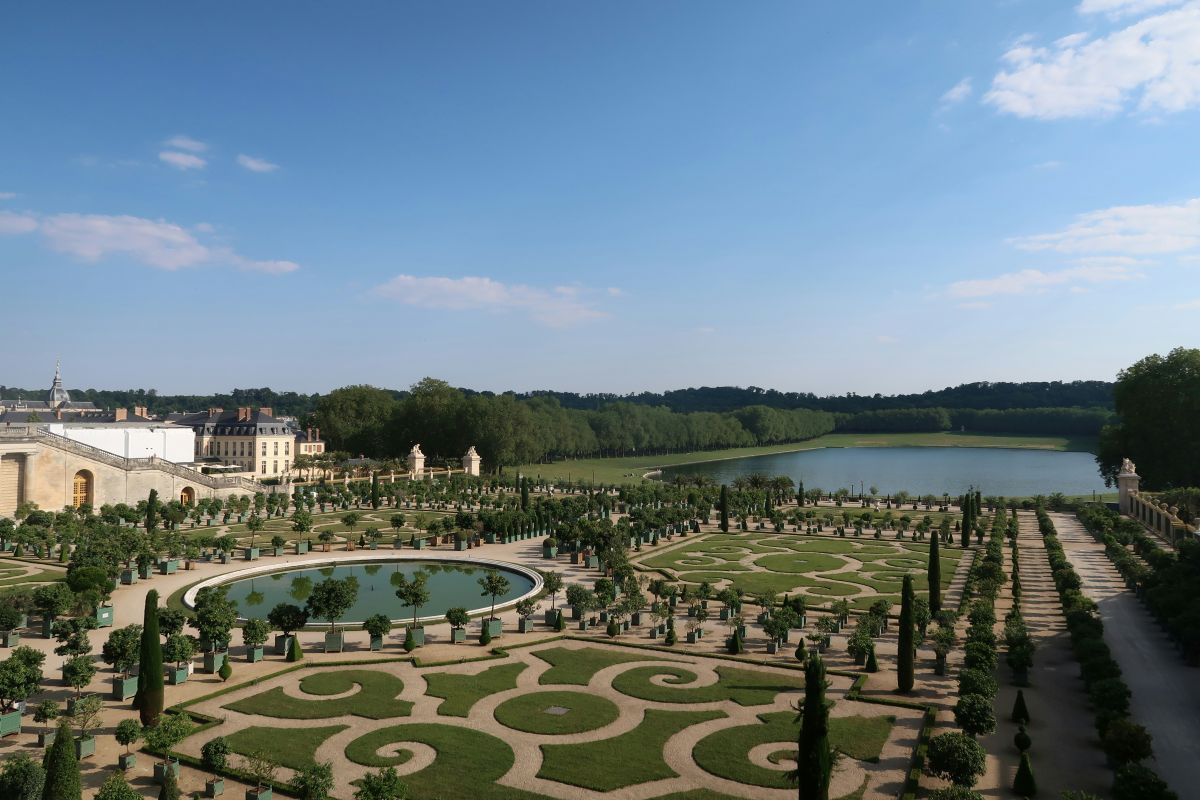
Some homes are built to be lived in. Others are built to be remembered.
For generations, owning an exceptional property has been regarded as one of the most tangible expressions of financial success. A prestigious address, expansive square footage and impeccable interiors were once the defining markers of luxury homeownership. Today, however, the aspirations of India’s wealthiest property buyers are evolving. Increasingly, the conversation is moving beyond acquisition, appreciation and exclusivity towards something far more enduring: legacy.
For affluent Indian families, a home is becoming more than a personal retreat or a valuable addition to an investment portfolio. It is an opportunity to create something that can be experienced, cherished and passed down through generations. A place where family traditions take root, milestones are celebrated and memories accumulate over decades.
This shift is giving rise to a new idea of luxury: the modern legacy home.
From Property Ownership to Generational Wealth
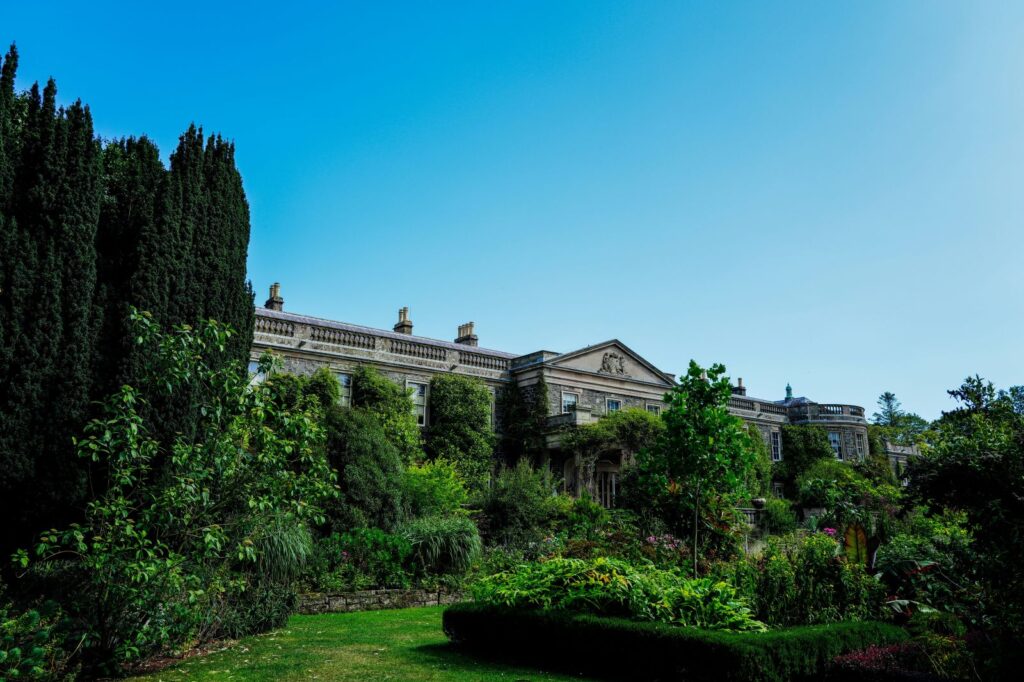
Real estate has long played an important role in the preservation of wealth among India’s affluent families. Land, residential estates and prime properties have traditionally been regarded as tangible assets that can be held over extended periods and passed on to future generations.
But the modern legacy home represents a broader approach to ownership. Its value is not measured exclusively by market appreciation or the prestige of its location. It also lies in what it offers the family over time.
A thoughtfully acquired estate can become a permanent family address, a place that remains familiar even as generations grow, careers evolve and family members establish lives across different cities and countries. It represents continuity in an otherwise constantly changing world.
There is also an emotional dimension to this form of ownership. Unlike many luxury purchases that are eventually replaced, a family estate has the potential to become more meaningful with age. Its significance grows through the experiences associated with it, making it an asset whose value extends well beyond its physical boundaries.
The Evolution of Multigenerational Living
At the heart of the legacy-home movement is the enduring importance of family in Indian culture.
The traditional Indian household has historically placed great emphasis on extended family relationships and shared living. While modern lifestyles have led many families towards independent residences and geographically dispersed households, the desire to remain connected has not diminished.
Instead, multigenerational living is being reimagined for contemporary families.
Today’s affluent homeowners increasingly seek residences that allow grandparents, parents, children and extended family members to spend meaningful time together without compromising individual privacy. This requires a more considered approach to space planning.
Multiple ensuite bedrooms, independent living areas, private terraces and dedicated guest suites allow different generations to maintain their own routines. Meanwhile, expansive common areas, landscaped gardens, swimming pools and entertainment spaces create opportunities for everyone to come together.
The objective is not necessarily to have every family member living under one roof throughout the year. It is to create a home that comfortably accommodates everyone whenever they return.
The most successful family estates understand this balance between togetherness and independence. They provide the freedom of individual living while preserving the warmth of a shared family environment.
Where Family Traditions Find a Home
The true character of a family home is often revealed not through its grandest architectural features, but through the experiences that unfold within it.
Think of the long dining-table conversations that continue well after dinner, the excitement of children gathering during summer holidays, or the familiar rituals of decorating the home for Diwali. Consider the annual family reunion, milestone birthday or spontaneous weekend when relatives arrive without much planning.
These are the moments that transform a beautiful property into a meaningful family home.
A legacy residence should therefore be designed around the experiences it is intended to accommodate. Generous dining spaces, expansive kitchens, outdoor entertaining areas, private gardens and recreational facilities are not simply indulgent additions. They provide the setting for shared experiences that become family traditions.
For families spread across multiple cities or countries, a dedicated family estate can also serve as a natural meeting point. Rather than coordinating holidays around hotels or temporary accommodation, everyone has a familiar place to return to.
Over time, the home becomes associated with particular celebrations, familiar spaces and cherished rituals. Its identity is shaped as much by the people who inhabit it as by the architecture itself.
Architecture That Stands Beyond Trends
A home intended to serve generations cannot be designed around the preferences of a single moment.
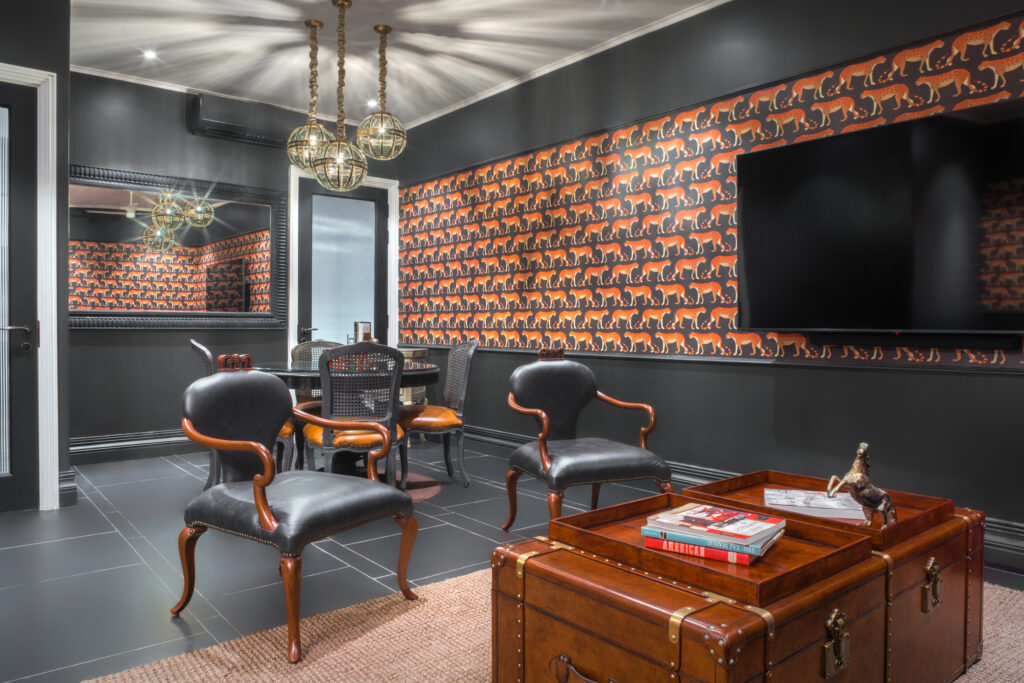
Architectural longevity is therefore central to the idea of a modern legacy estate. It begins with strong proportions, intelligent spatial planning and materials selected for their ability to age gracefully.
Generous ceiling heights, well-considered room dimensions, natural ventilation and an intuitive relationship between indoor and outdoor spaces create a foundation that remains relevant even as lifestyles change. Flexible layouts allow rooms to evolve in purpose, while thoughtful provisions for accessibility and ease of movement ensure that the home can accommodate occupants at different stages of life.
Material selection is equally important. Natural stone, solid timber, handcrafted masonry and enduring finishes often develop character with age, rather than becoming dated with changing design trends. Equally, quality construction and meticulous workmanship are essential to ensuring that a residence retains its integrity over decades.
True timelessness is not about creating a home that never changes. It is about establishing an architectural foundation strong enough to accommodate change without losing its character.
A beautifully conceived estate should feel as compelling twenty years from now as it does on the day its first owners move in.
The Heirloom Home: When Design Becomes Personal
Beyond architecture, the interiors of a legacy home play an equally important role in establishing its identity.
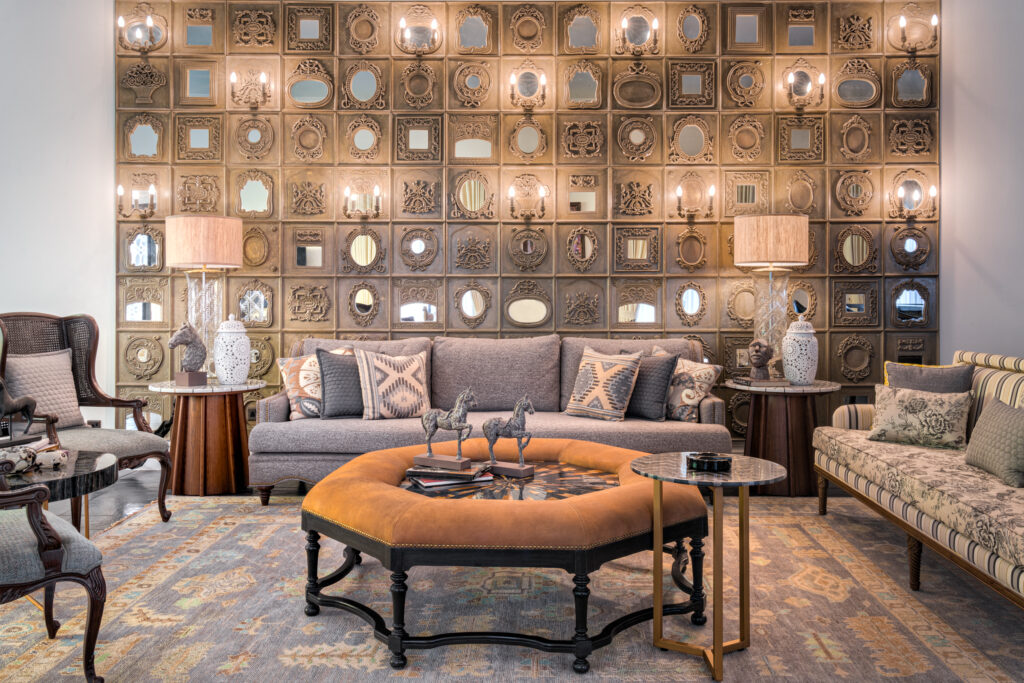
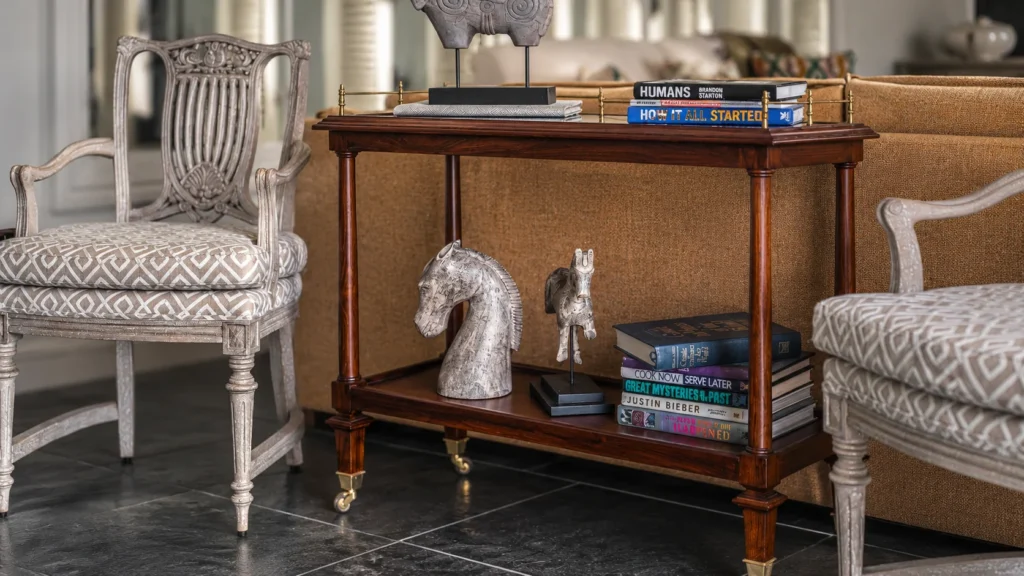
Unlike residences designed around fleeting trends, heirloom homes are deeply personal. Their interiors reflect the family’s tastes, cultural influences, travels, collections and experiences. Bespoke furniture, commissioned artworks, handcrafted details, antiques and carefully selected decorative objects contribute to an environment that feels individual rather than replicated.
This is where the idea of an heirloom home becomes particularly meaningful.
A handcrafted dining table may host generations of family celebrations. An artwork collected during an overseas journey may become a familiar feature of the living room. A particular armchair, inherited object or decorative detail may carry a story that gets retold every time someone asks about it.
Design, in this context, becomes a means of preserving identity.
At The Asavilas, this philosophy finds expression through Indian-flavoured maximalism, where rich materials, bespoke furnishings, layered textures and carefully curated objects create residences with a distinct sense of character. Rather than pursuing visual uniformity, the emphasis is on individuality, craftsmanship and spaces that tell a story.
The result is a home that feels collected and considered, with an aesthetic capable of becoming part of the family’s own narrative.
Choosing a Place Worth Returning To
A legacy home is also defined by where it stands.
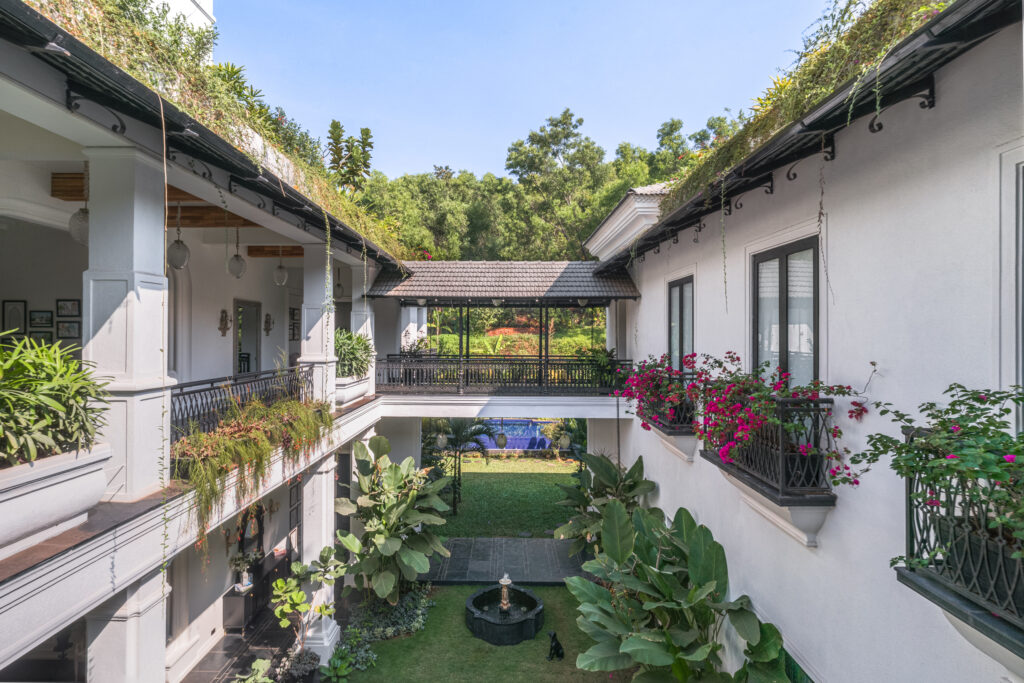
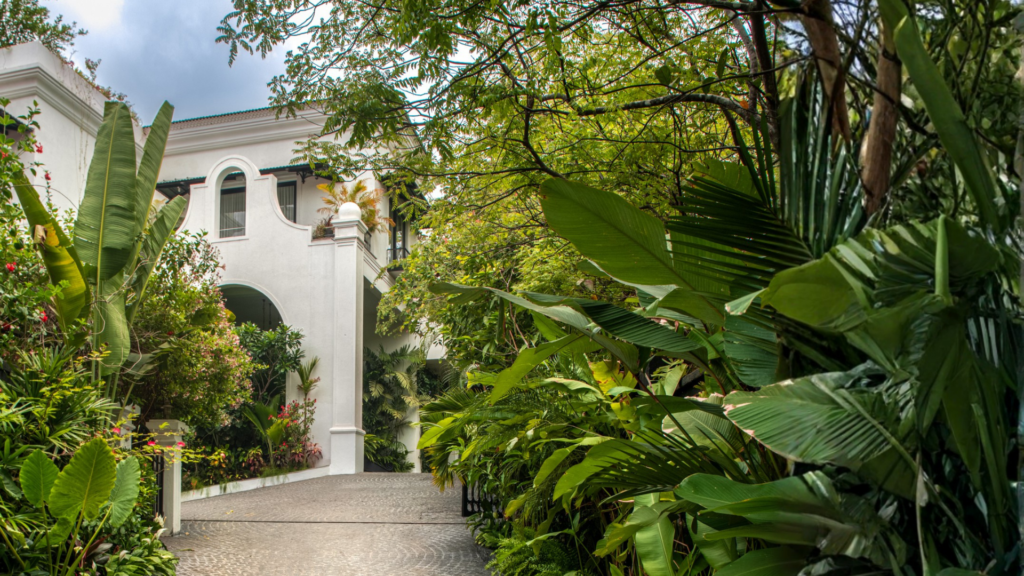
For many affluent Indian families, Goa offers an appealing setting for a private family estate. Beyond its reputation as a holiday destination, the region offers a distinctive combination of natural beauty, cultural heritage, village character and a more measured pace of life.
Its verdant landscapes, historic architecture and established social communities create an environment that feels removed from the intensity of metropolitan living, while remaining connected to the comforts and experiences of contemporary life.
For families whose members live in different parts of India or abroad, a private estate in Goa can become a shared destination. Children can grow up associating it with school holidays, grandparents can enjoy a familiar retreat, and different branches of the family can reconnect in a setting that feels distinctly their own.
The distinction between a holiday home and a legacy estate lies in this relationship with place. One provides an escape; the other has the potential to become an enduring part of a family’s identity.
Building Something That Belongs to Tomorrow
Ultimately, the modern legacy home represents a more thoughtful understanding of luxury.
It recognises that wealth is not only about what one accumulates, but also about what one chooses to preserve and pass forward. A family estate can hold memories that cannot be replicated, provide a sense of belonging that transcends geography and create a shared connection between generations who may otherwise lead very different lives.
At The Asavilas, the philosophy of creating marquee legacy estates is rooted in this understanding. Through expansive residences, meticulous craftsmanship, distinctive architectural character and deeply considered living experiences, each estate is envisioned as more than an exceptional property.
Because the finest homes are not simply built for a lifetime. They are built to become part of a family’s history.