

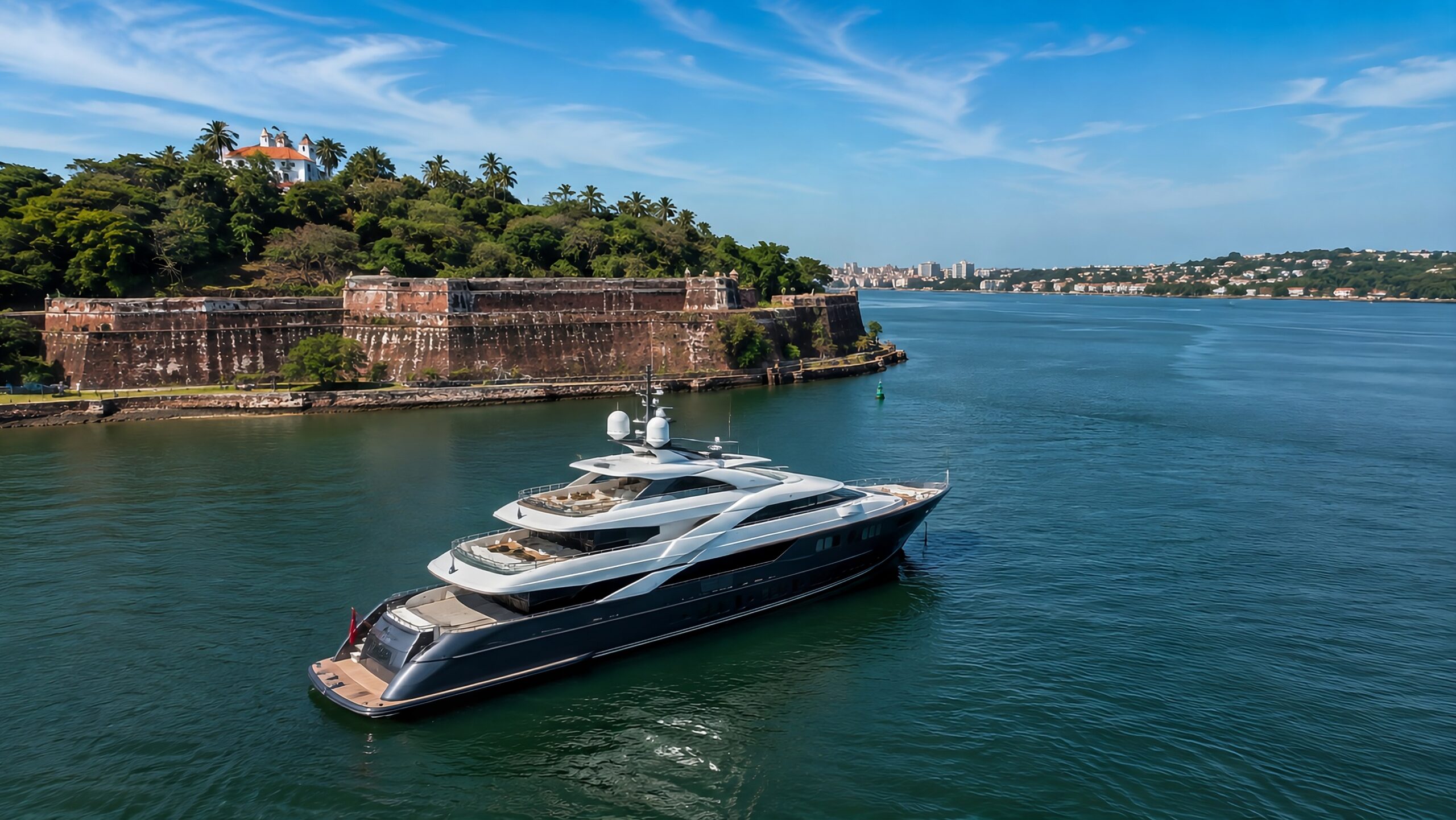
Of the many ways one can arrive in Goa, few compare to the allure of approaching it’s shores by sea.
Long before Portuguese caravels cast anchor along its shores, this tropical corridor of Western India served as a storied crossroads for trans-oceanic navigation. Today, an elite tier of global navigators is rediscovering these waters.
For the vessel owner accustomed to the crowded slips of Port Hercules or Saint-Tropez, Goa presents an alluring, untouched alternative. It is a sanctuary of wild coastal beauty, historic riverine architecture and serene private estuaries.
Navigating a superyacht in Goa requires an interplay of nautical foresight and specialized local intelligence.
Beyond the sunset cocktails on the aft deck lies a nuanced matrix of deep-water port clearances, shifting river tides, high-capacity bunkering, and strict maritime governance.
Managing a high-value vessel along this coastline is less about overcoming logistical challenges and more about orchestrating a frictionless sea-to-shore transition.
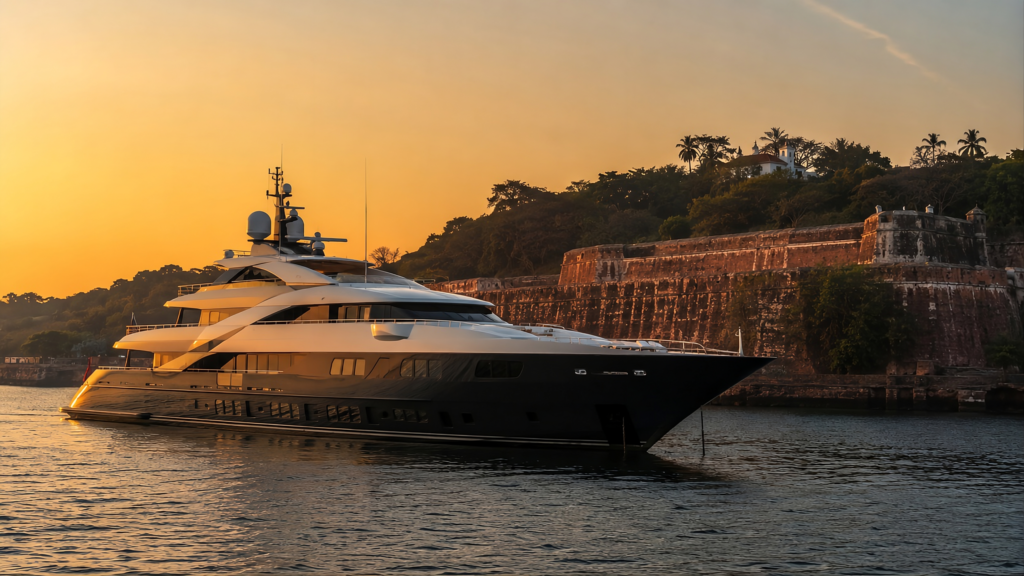
Navigating the Estuaries: Ports of Entry and Anchorages
The gateway to Goa’s maritime territory begins at the Mormugao Port Authority (MPT), the region’s premier deep-draft commercial harbor.
Vessels exceeding forty meters or drafts beyond four meters must complete their initial formal customs, port health clearance and immigration entry at this protected natural harbor before proceeding into inland channels.
“Entering Goan waterways requires an understanding of tidal dynamics that aren’t found in Mediterranean deep-water ports. Navigating the sandbars of the Mandovi estuary demands respect for local hydrology, but the reward is one of the most private, sheltered anchorages in the Arabian Sea.”
— Nippy Sawhney, Founder & Visionary of The Asavilas
Once cleared, the cruising experience transitions into Goa’s protected river systems.
The Mandovi River estuary, guarded by the historic fortifications of Fort Aguada and Reis Magos, provides holding ground for vessels up to 40 meters, subject to seasonal draft clearance over the Aguada bar.
For larger vessels requiring absolute seclusion, Bambolim Bay and the mouth of the Zuari River offer expansive, deep-water anchorages away from commercial transit lines.
| Anchorage & Berthing Location | Operational Profile & Vessel Capacity |
| Mormugao Port (Berth 1–4) | Deep-draft superyachts (60m+); commercial customs gateway |
| Mandovi Estuary (Reis Magos) | Sheltered anchorage for vessels up to 40m; prime North Goa access |
| Bambolim Bay (Zuari Estuary) | Deep, calm holding ground; optimal for privacy and large drafts |
| Britona Waterfront Quays | Tender berths and chase boats; fresh water and shore power access |
| Chapora River Mouth | Shallow draft exploration only; seasonal tender navigation |
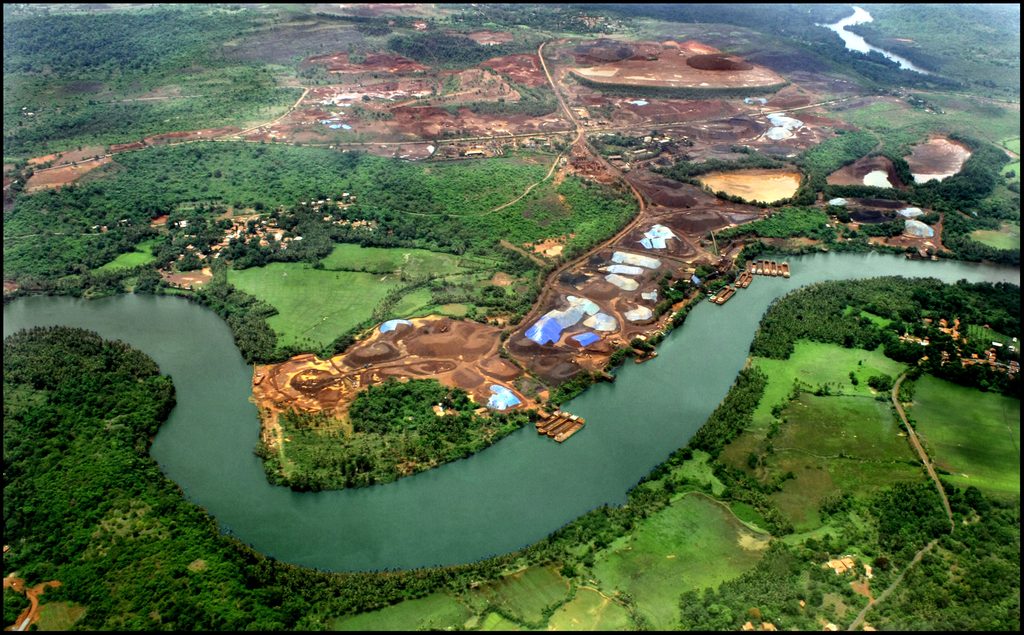
Regulatory Clearances, Permits, and Protocols
Operating a foreign-flagged vessel in Indian sovereign waters demands precise regulatory coordination. Navigation is governed collaboratively by the Captain of Ports Goa, the Indian Coast Guard, and the Directorate General of Shipping.
Private yachts must file their Advance Passenger Information System (APIS) declarations prior to departure from their previous port of call.
For owners arriving independently via private aviation into Manohar International Airport (MOPA) or Dabolim Airport, immigration records must synchronize seamlessly with vessel crew manifests through an appointed coastal shipping agent.
| Compliance & Regulatory Filing | Administrative Authority |
| Port Entry & Inward Clearance | Mormugao Port Health Officer & Customs |
| Coastal Waters Navigation Permit | Captain of Ports (CoP) Goa |
| Security & Manifest Declarations | Indian Coast Guard & Naval Coastal Security |
| Immigration & Crew Seaman Clearances | Bureau of Immigration India |
| Tender & Helipad Flight Authorizations | Directorate General of Civil Aviation (DGCA) |
Tropical Engineering, Bunkering, and Seasonality
Equatorial marine environments place unique demands on onboard machinery.
Goa’s warm river-to-sea water temperatures and tropical humidity require continuous monitoring of raw-water intake chillers, reverse-osmosis watermakers, and teak deck coatings.
High-flash Marine Gas Oil (MGO) bunkering is coordinated directly via certified tanker trucks alongside Mormugao berths, or by specialized river bunker barges along the lower Mandovi.
While potable water is accessible at port, yachts stationed at river anchorages rely on heavy-duty onboard desalination plants to maintain total water purity.
The cruising calendar in Goa is strictly defined by the South-West Monsoon. Between late October and April, the Arabian Sea offers flat calm seas, clear skies, and predictable thermal breezes.
From June through September, heavy swells and restricted visibility necessitate securing vessels in deep inner river basins or repositioning to the Persian Gulf or Southeast Asia.
| Seasonal Period | Marine Conditions & Operational Directive |
| November to April (Prime Season) | Calm seas, negligible swell; optimal cruising & river anchorage |
| May (Pre-Monsoon Transition) | Rising afternoon swells; transition vessels to sheltered moorings |
| June to September (Monsoon) | Heavy rain, rough seas; vessel layup in river basins or overseas transit |
| October (Post-Monsoon Opening) | Bar clearing, channel resurveying, and start of winter cruising |
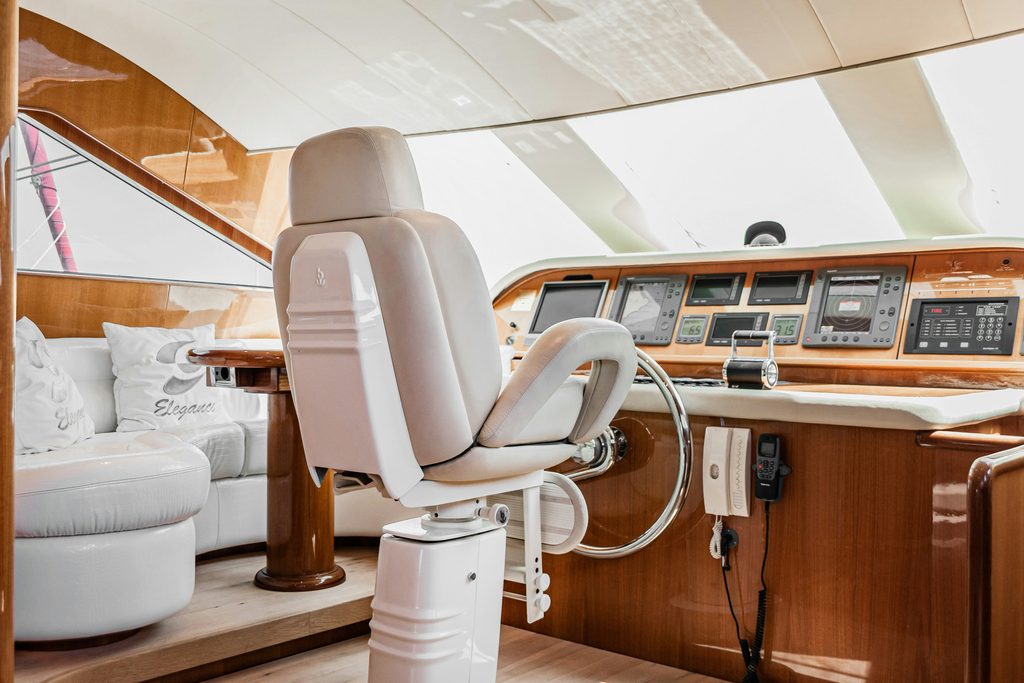
Artisanal Provisioning and Shore Logistics
Provisioning a vessel in Goa allows onboard executive chefs to work with rare local ingredients alongside global staples.
Through specialized luxury provisioning agents, rare imports—from vintage Grand Cru champagnes to dry-aged Japanese Wagyu—are flown in via cold-chain freight from Mumbai and Dubai.
Locally, the Mandovi and Chapora rivers yield fresh red snapper, barramundi, and mud crabs harvested daily by artisanal fisheries.
The inland micro-farms of Assagao and Aldona supply certified organic heirloom vegetables, estate-grown vanilla, and small-batch European cheeses produced by resident master cheesemakers.
Discreet, secure transfers from tender landings to private dining rooms or heritage sites require white-glove ground coordination. Ultra-high-net-worth guests benefit from dedicated security details and private chauffeur services that operate with unobtrusive efficiency.
Financial Framework for Vessel Management in Goa
Unlike the structured, slip-fee billing systems of Mediterranean marinas, vessel operating costs in Goa center around agency retainers, port authority tariffs, bespoke security, and private landing arrangements.
| Expense Category | Typical Scope & Rate Structure |
| Port Clearance & Harbor Dues | $2,500 – $6,000 per entry (based on gross tonnage/tugs) |
| River Anchorage Dues | $150 – $500 per day (Captain of Ports Goa) |
| Maritime Agent Retainer | $2,500 – $6,000 per week (full logistics & customs) |
| Private Tender Landing Rights | $250 – $750 per day (exclusive waterfront quays) |
| Marine Gas Oil (MGO) Bunkering | Delivered at international market rate + import duty |
The Terrestrial Extension: From Deck to Private Estate
For the discerning owner who spends weeks cruising the Goan coastline, the superyacht serves as an introduction to a broader lifestyle. The privacy and refined design that defines yacht life finds it’s natural counterpart onshore in the private estates of The Asavilas.
Conceived for collectors of rare, world-class real estate, The Asavilas marquee estates in Goa provide a seamless shoreward extension of your vessel. Positioned in Goa’s most serene villages, these bespoke estates feature 7-star resort amenities, marvelous architectural masterpieces and a signature Indian-flavoured maximalist interior aesthetic.
“A superyacht is an architectural expression of complete freedom on water; a maximalist estate is that same freedom anchored to the earth. The two should converse effortlessly.”
— Avinash Setia, Founder & Visionary of The Asavilas
Explore our private collection of luxury estates in North Goa or connect with our Private Client Office for confidential consultations.
Prefet to arrive by air, instead of the sea? Read our article on Managing Private Aircraft in Goa: Airport Logistics, FBO Services & Estate Helipads.
Frequently Asked Questions
No. Vessels over 40–50 meters cannot moor directly alongside the inner quays of Panjim due to water depth constraints across the Aguada sandbar and limited river draft. Large superyachts anchor in the Mandovi River Estuary near Reis Magos or in Bambolim Bay, utilizing high-speed tenders for direct transit to private jetties.
Foreign-flagged yachts must make their initial port of call at Mormugao Port Authority for mandatory immigration, customs, and port health clearances. Required documentation includes the vessel’s Certificate of Registry, valid insurance, crew Seaman’s Books, passenger passport details, and prior APIS filings.
Marine Gas Oil (MGO) is supplied either alongside specialized commercial berths at Mormugao Port via tanker trucks or through pre-arranged bunker barges stationed in the Mandovi River. Prior fuel sample testing is standard protocol.
The South-West Monsoon (June to September) brings heavy swells and high winds, rendering coastal anchorages unsafe. Yacht owners must either secure their vessels in deep, sheltered inland river channels, arrange drydock storage, or reposition their vessels to the Mediterranean, Maldives, or Persian Gulf.