

True luxury extends beyond aesthetics. It lies in creating homes that respond intelligently to their surroundings, withstand the elements and retain their beauty for generations. Here’s why climate-responsive design is essential to building exceptional homes in India, particularly along Goa’s tropical coastline.
A luxury home is often judged by what meets the eye: its architecture, its proportions, the richness of its interiors and the materials that bring it to life. Yet some of the most important decisions that determine the quality of a residence remain largely invisible. They lie within its walls, beneath its floors and in the way its architecture responds to the environment around it.
India’s diverse climatic conditions make this consideration particularly important. From intense summer heat to prolonged monsoons and coastal humidity, every region presents unique challenges to construction and design. In a destination like Goa, where the natural landscape is as magnificent as it is demanding, creating a truly luxurious home requires more than architectural vision. It requires an understanding of the climate it will inhabit.
Because a home designed to endure must be as thoughtfully engineered as it is beautifully imagined.
Understanding India’s Climate: Why Location Changes Everything
India’s climatic diversity means that architectural decisions cannot follow a universal approach. A residence designed for the dry heat of Rajasthan will have very different requirements from one situated along Goa’s humid coastline or in the rain-heavy regions of the Western Ghats.
In Goa, homes experience extended periods of humidity, intense solar exposure, heavy monsoon rainfall and, particularly in coastal locations, exposure to salt-laden air. These conditions influence everything from the building’s structural detailing and roofing systems to the choice of exterior finishes and interior furnishings.
For luxury homebuyers, understanding these regional considerations is essential. The quality of a residence is not simply determined by the materials used or the visual appeal of its architecture, but by how effectively these elements perform in their intended environment.
The Invisible Foundations of Luxury: Waterproofing and Monsoon Resilience
In a region that experiences substantial monsoon rainfall, waterproofing is among the most important considerations in residential construction. Even the most beautifully designed home can be compromised by inadequate protection against water ingress.
Terraces, balconies, rooftops, bathrooms, swimming pools and landscaped courtyards are particularly vulnerable areas. Proper waterproofing membranes, correctly sealed joints, carefully planned drainage slopes and appropriate detailing around windows and openings help prevent water from penetrating the building envelope.
The consequences of poor waterproofing often extend well beyond visible leaks. Persistent moisture can cause paint deterioration, damp patches, mould growth, damage to timber elements and the gradual degradation of interior finishes.
Roof design also plays an important role. Deep overhangs, well-designed gutters and effective rainwater disposal systems help protect exterior walls and openings from prolonged exposure to rainfall.
In a luxury residence, monsoon resilience should be considered from the earliest stages of construction. The objective is not simply to prevent water damage, but to ensure that the home retains its condition, comfort and aesthetic integrity through every season.
Humidity Control: Protecting the Home from Within
Humidity is one of the less visible but more persistent challenges of tropical living. While it influences how comfortable a space feels, its effects can also extend to the materials, furnishings and finishes within a home.
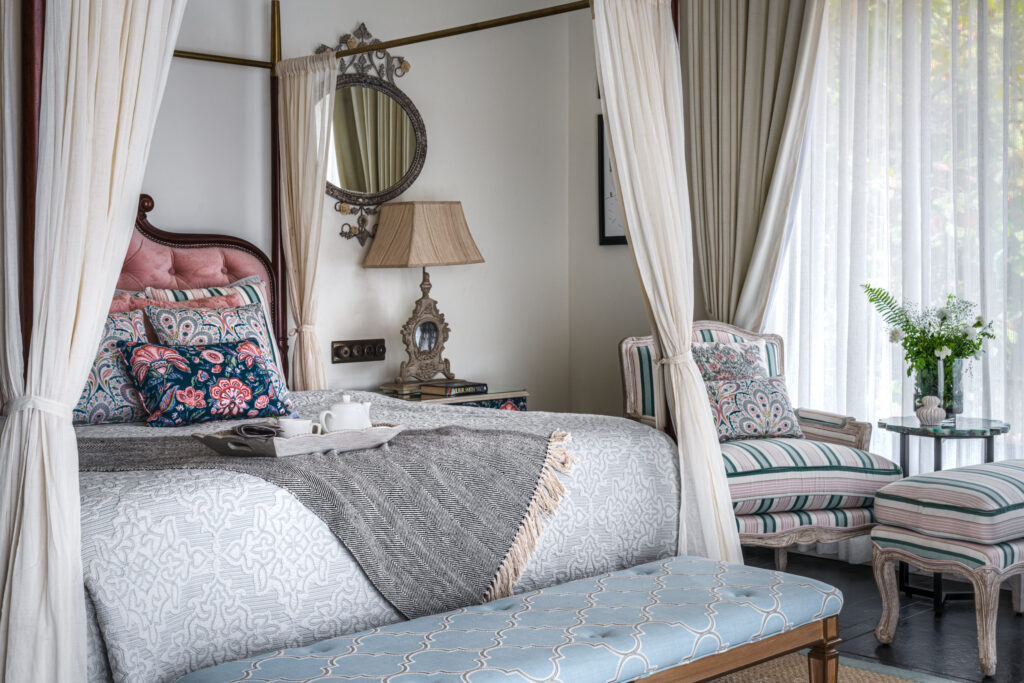
Excessive indoor moisture can encourage mould and mildew, affect wooden furniture and cabinetry, damage upholstery and textiles, and create condensation in enclosed spaces. For residences featuring bespoke furniture, intricate woodwork, elaborate wall treatments and layered interiors, these considerations become particularly significant.
Managing humidity begins with thoughtful architectural planning. Adequate ventilation, moisture-resistant detailing and appropriately designed air-conditioning systems help maintain a balanced indoor environment. Dehumidification can also be valuable in enclosed areas such as wardrobes, dressing rooms, storage spaces and rooms that remain unused for extended periods.
For second homes in Goa, this becomes especially important. A property may remain unoccupied for weeks or months at a time, making appropriate humidity management and regular monitoring essential to preserving its interiors.
The finest interiors deserve protection that begins long before the first signs of moisture appear.
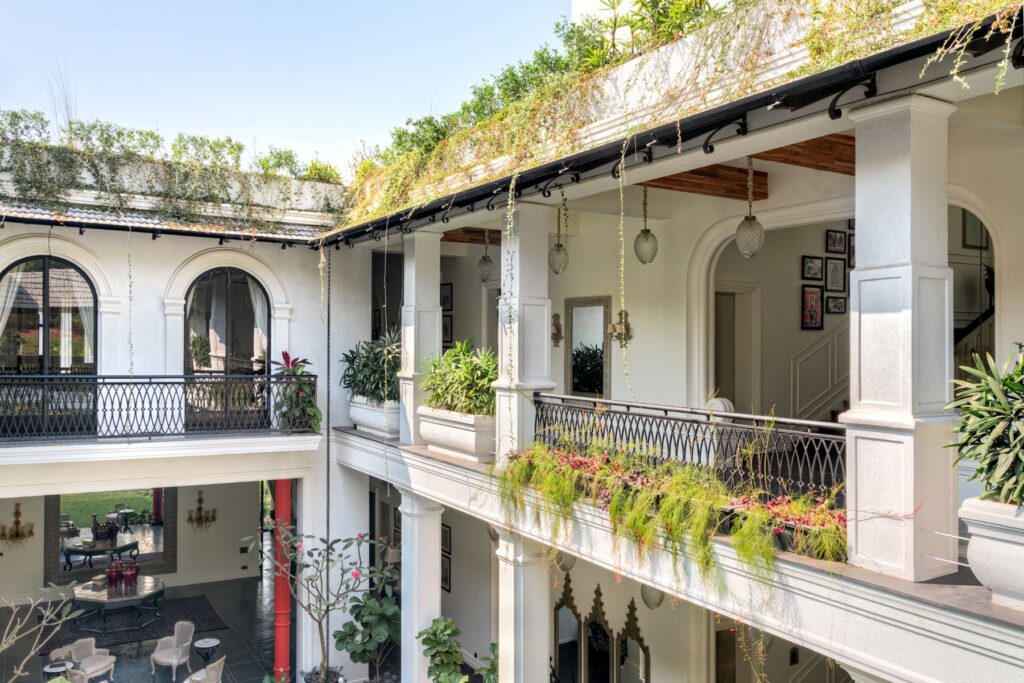
Ventilation and Heat Insulation: Designing for Natural Comfort
A well-designed home should work with its natural environment rather than constantly fight against it. This is where passive cooling and climate-responsive architecture become particularly valuable.
In tropical climates, thoughtful spatial planning can significantly improve indoor comfort. Cross-ventilation, achieved through strategically positioned windows and openings, allows prevailing breezes to move through the residence, encouraging natural airflow.
Other architectural features contribute to thermal comfort:
- High ceilings: Allow warm air to rise, helping create a more comfortable occupied space.
- Shaded verandahs: Provide transitional spaces that reduce direct solar exposure while allowing residents to enjoy the outdoors.
- Deep roof overhangs: Protect windows and exterior walls from direct sunlight and driving rain.
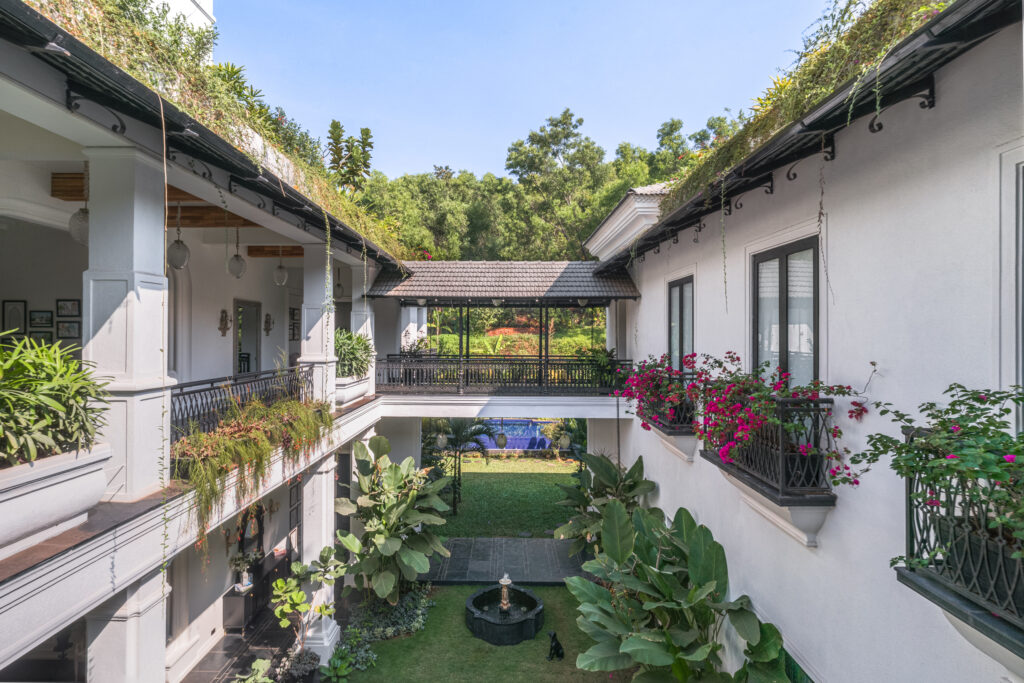
- Courtyards: Encourage airflow and create opportunities for shaded, naturally ventilated spaces.
- Roof insulation: Helps limit heat transfer into the interiors, particularly during warmer months.
- Appropriate glazing: Reduces unwanted solar heat gain while maintaining natural light.
These features can reduce dependence on artificial cooling and contribute to a more comfortable living environment. The objective is not to eliminate modern climate-control systems, but to complement them with architecture that naturally supports thermal comfort.
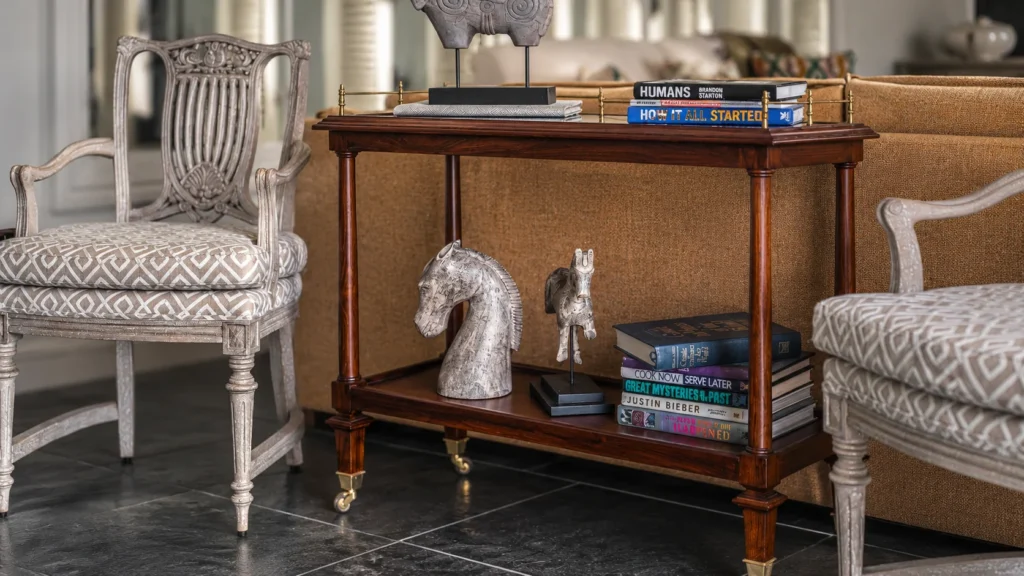
Material Selection: Choosing Materials That Age Gracefully
Materials are central to the character of a luxury home. Natural stone, timber, metalwork, handcrafted finishes and richly textured surfaces contribute to the visual depth and individuality of a residence. However, in India’s varied climatic conditions, material selection must consider durability alongside aesthetics.
Natural stone, for instance, can be an excellent choice for flooring and exterior applications, provided its porosity, slip resistance and maintenance requirements are understood. Timber used in doors, furniture and architectural detailing should be appropriately seasoned and treated to minimise swelling, warping and moisture-related deterioration.
Metal fittings and hardware in coastal environments require particular attention. Salt-laden air can accelerate corrosion, making corrosion-resistant materials and suitable protective coatings important considerations.
Exterior paints and wall finishes should also be selected according to their ability to withstand moisture, rainfall and prolonged sun exposure.
Even interior furnishings require careful consideration. Upholstery, carpets, curtains and decorative textiles should be chosen with tropical humidity in mind.
Ultimately, the most successful material palettes are those that preserve the intended aesthetic while allowing the residence to age with character. Thoughtful selection ensures that the beauty of a home is not simply immediate, but enduring.
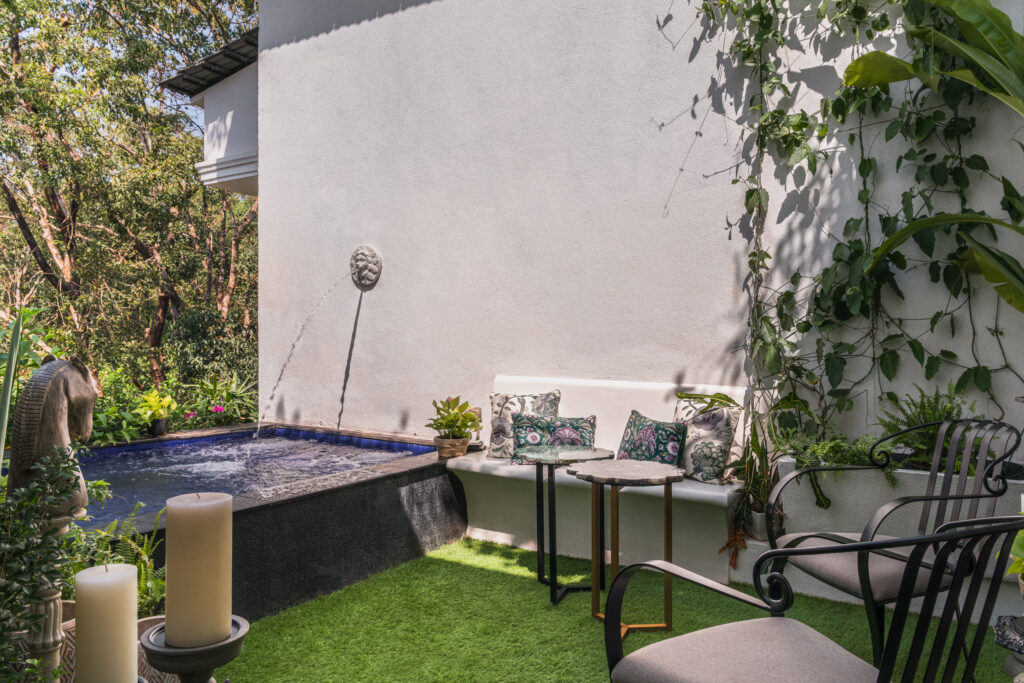
Drainage and Landscaping: Managing Water Beyond the Walls
Climate-responsive design extends beyond the building itself to the landscape that surrounds it. In Goa, where monsoon rainfall can be particularly intense, effective stormwater management is essential to protecting an entire estate.
Site grading, carefully planned surface drainage channels, appropriate ground slopes and rainwater harvesting systems help manage water movement and prevent accumulation around the property. Poor drainage can contribute to waterlogging, soil erosion and potential damage to foundations, while also affecting landscaped gardens and outdoor living spaces.
Landscaping should therefore be integrated into the overall drainage strategy. Plant selection, permeable surfaces and the positioning of pathways and garden features all influence how water moves through the property.
A well-designed estate considers the relationship between architecture, landscape and natural water flow as one cohesive system.
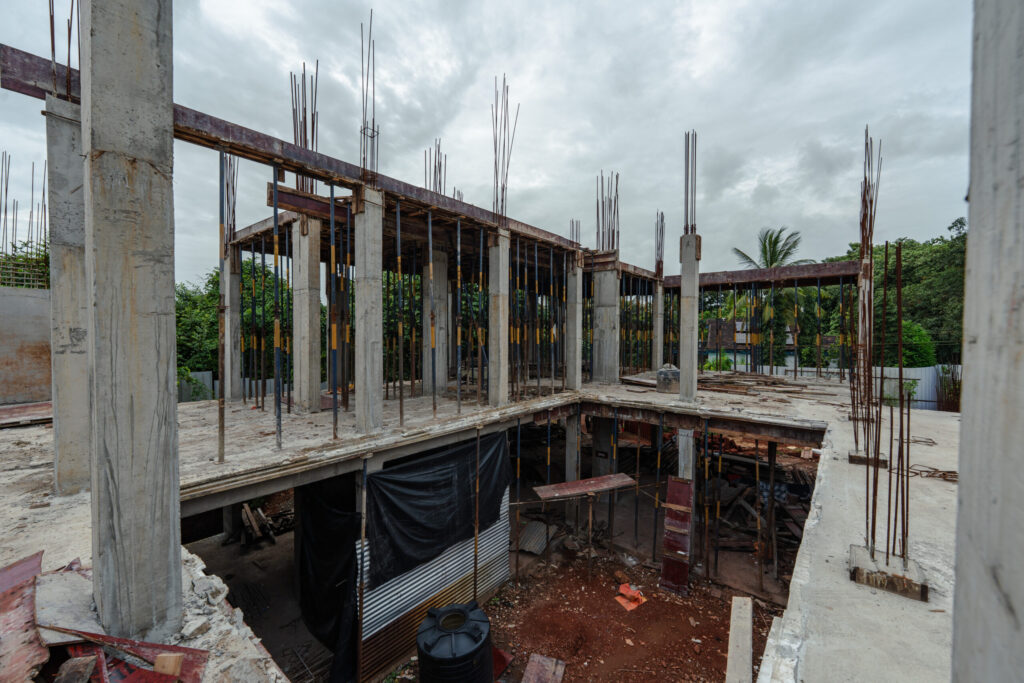
Beyond Construction: The Importance of Long-Term Maintenance
Even the most thoughtfully engineered residence requires regular care. Preventive maintenance is particularly important in tropical and coastal environments, where moisture, rainfall and salt exposure can gradually affect building materials and systems.
Periodic inspections of waterproofing, roofing, drainage, exterior coatings, air-conditioning and dehumidification systems help identify potential concerns before they develop into larger problems.
For second homes and expansive private estates, professional property management becomes especially valuable. A consistent maintenance programme ensures that the residence remains in excellent condition, even when its owners are away.
After all, preserving a home’s quality is as important as creating it.
True Luxury Is Built to Last
The finest homes are not simply designed to impress in the moment. They are designed to endure.
In a place like Goa, where the natural environment is an integral part of the living experience, climate-responsive architecture is essential to creating residences that remain comfortable, functional and beautiful through changing seasons.
Thoughtful engineering, considered material selection, intelligent spatial planning and meticulous construction detailing allow architectural ambition and practical resilience to coexist.
For discerning homebuyers, these are the qualities worth looking beyond the surface to discover. Because the true measure of a luxury residence is not only how extraordinary it looks when completed, but how gracefully it continues to perform decades later.
At The Asavilas, the philosophy of enduring luxury begins with this understanding: a truly exceptional home must be conceived not just for the present, but for generations to come.